Why I Built a Smarter Health Routine—And You Should Too
We often wait until we're sick to think about health, but what if we flipped the script? I used to ignore warning signs—low energy, constant stress—until I realized prevention isn’t just possible, it’s powerful. This isn’t about quick fixes or miracle cures. It’s about building a daily system that works quietly, consistently, to keep you strong. Here’s how small, science-backed choices transformed my well-being from reactive to proactive—without overwhelm or confusion.
The Wake-Up Call: Recognizing the Need for Prevention
For years, I believed I was healthy because I wasn’t sick. I was active, busy, and managing a household—what more could I need? But subtle signs began to pile up: afternoons spent fighting drowsiness, difficulty focusing, and a growing sense of fatigue that no amount of coffee could fix. I dismissed it as the cost of a full life. Then, a routine check-up revealed elevated blood pressure and borderline cholesterol levels—conditions typically associated with people much older than I was. That moment was my wake-up call. It wasn’t a crisis, but it was a warning, and it forced me to confront a common misconception: health is not the absence of symptoms, but the presence of supportive habits.
Many women in their 30s, 40s, and 50s find themselves in similar situations. They’re caregivers, professionals, partners, and organizers—often putting their own needs last. The body adapts silently to stress, poor sleep, and inconsistent eating, but over time, those adaptations take a toll. What starts as occasional tiredness can evolve into chronic inflammation, hormonal imbalance, or metabolic disruption. The turning point comes when we recognize that waiting for a diagnosis is not a strategy. Prevention is not reserved for those with existing conditions; it’s essential for everyone, especially those who feel fine but are running on empty.
This shift in mindset—from reactive to proactive—changed everything. Instead of viewing health as something that happens to me, I began to see it as something I could influence through daily choices. I didn’t need a dramatic overhaul. I needed a smarter routine—one built on consistency, not crisis. That’s when I started researching preventive healthcare, not as a medical checklist, but as a lifestyle framework. What I discovered was both empowering and practical: most chronic diseases are not inevitable. They are preventable.
What Is Preventive Healthcare—And Why It’s Not Just for Doctors
Preventive healthcare is the practice of taking action before illness occurs. It’s not about fearing disease, but about honoring the body’s ability to stay well when given the right support. This approach includes three levels: primary prevention, which stops disease before it starts; secondary prevention, which catches issues early through screenings; and tertiary prevention, which manages existing conditions to prevent complications. For most people, especially women managing family and work demands, the first two levels are the most relevant—and most within reach.
Primary prevention includes everyday decisions: choosing water over sugary drinks, walking instead of driving short distances, or prioritizing sleep. These actions may seem small, but their cumulative effect is significant. According to the World Health Organization, up to 80% of heart disease, stroke, and type 2 diabetes—and over 40% of cancers—could be prevented through lifestyle changes. This isn’t speculation; it’s based on decades of epidemiological research. The body thrives on routine, balance, and moderation. When we support it consistently, we reduce the risk of chronic inflammation, insulin resistance, and cardiovascular strain.
Secondary prevention involves regular health screenings—tools that act as early warning systems. Blood pressure checks, cholesterol panels, blood glucose tests, and age-appropriate cancer screenings (like mammograms or colonoscopies) are not signs of illness, but signs of responsibility. They allow for early intervention, often before symptoms appear. For example, high blood pressure—known as the “silent killer”—typically has no warning signs, yet it significantly increases the risk of stroke and heart attack. Catching it early means it can be managed with lifestyle adjustments, potentially avoiding medication altogether.
The key insight is that preventive healthcare is not something done to you by a doctor—it’s something you do for yourself every day. Medical professionals play a vital role, but the foundation is laid in the kitchen, the bedroom, and the daily routine. You don’t need a medical degree to understand that eating vegetables, moving your body, and sleeping well are beneficial. What you do need is awareness, intention, and a plan. Prevention is not a luxury; it’s a form of self-respect. And for women who spend so much time caring for others, it’s a necessary act of balance.
The Foundation: Nutrition as Daily Maintenance, Not a Diet
Nutrition is often misunderstood as a tool for weight loss, but its true role is maintenance. Every cell in the body relies on nutrients to function—repairing tissue, producing energy, and supporting the immune system. When we eat, we’re not just satisfying hunger; we’re sending signals to our metabolism, hormones, and brain. A meal high in refined sugar triggers insulin spikes and inflammation, while a balanced plate of protein, fiber, and healthy fats supports stable energy and long-term health.
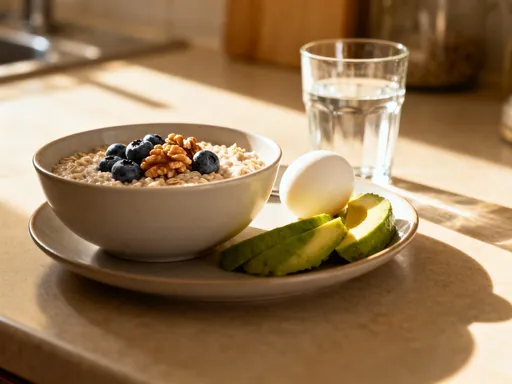
The goal is not perfection, but consistency. This means focusing on patterns, not individual meals. One indulgent dinner won’t derail your health, just as one salad won’t guarantee it. What matters is the overall rhythm: regular meals, adequate hydration, and a diet rich in whole foods. Practical strategies include planning simple, repeatable meals—like vegetable stir-fries with lean protein, overnight oats with nuts and fruit, or hearty soups with beans and greens. These don’t require gourmet skills; they require intention. Keeping healthy staples on hand—frozen vegetables, canned beans, whole grains—makes it easier to choose well, even on busy days.
Equally important is what we limit: ultra-processed foods high in added sugar, refined carbohydrates, and unhealthy fats. These are not occasional treats for many; they’re daily staples. Packaged snacks, sugary cereals, and fast food are convenient, but they contribute to metabolic dysfunction over time. Reducing them doesn’t mean deprivation. It means upgrading—choosing plain yogurt with fresh berries instead of flavored varieties, or sparkling water with lemon instead of soda. These swaps are sustainable because they don’t feel like punishment.
Hydration is another cornerstone. Many women confuse thirst with hunger or fatigue. Drinking water throughout the day supports digestion, kidney function, and cognitive clarity. A simple habit—like starting the day with a glass of water or carrying a reusable bottle—can make a measurable difference. Nutrition, at its core, is about giving the body what it needs to thrive, not what it craves in the moment. It’s not a diet; it’s daily maintenance, like changing the oil in a car. You wouldn’t wait for the engine to fail—why wait for your body to signal distress?
Movement That Fits: Exercise as a Lifelong Habit, Not a Chore
Physical activity is often framed as a path to weight loss or fitness, but its most powerful benefits are preventive. Regular movement supports cardiovascular health, improves insulin sensitivity, strengthens bones, and enhances mood through natural endorphin release. The good news? You don’t need a gym membership, a personal trainer, or hours of free time. The key is consistency, not intensity. The Centers for Disease Control and Prevention recommend 150 minutes of moderate aerobic activity per week—just 21 minutes a day—but even less can offer meaningful benefits.
Movement should fit into life, not compete with it. For many women, the idea of “exercise” feels like another obligation. But redefining it as daily motion removes the pressure. Walking to the store, gardening, dancing while cooking, or playing with children all count. These activities may not feel like workouts, but they add up. A study published in the British Journal of Sports Medicine found that people who walked briskly for 30 minutes five times a week reduced their risk of premature death by up to 35%. The type of movement matters less than the habit of moving.
A balanced routine includes three types: cardiovascular activity (like walking or cycling), strength training (using body weight, resistance bands, or light weights), and flexibility work (such as stretching or yoga). Each plays a unique role. Cardio strengthens the heart and lungs, strength training preserves muscle mass (which naturally declines with age), and flexibility supports joint health and posture. The best approach is integration: doing calf raises while brushing teeth, taking the stairs, or doing a 10-minute stretch after dinner. These micro-moments of movement are more sustainable than hour-long sessions that are hard to maintain.
The real shift comes when we stop seeing exercise as a chore and start seeing it as self-care. It’s not about burning calories; it’s about feeling stronger, more alert, and more capable. Women who move regularly report better sleep, improved mood, and greater resilience to daily stress. And because movement boosts circulation and immune function, it’s one of the most effective tools for long-term health. You don’t need to run a marathon. You just need to keep going—one step at a time.
Sleep and Stress: The Silent Game-Changers
If nutrition and movement are the visible pillars of health, sleep and stress management are the silent ones. They operate behind the scenes, influencing everything from hormone balance to immune response. Poor sleep disrupts the production of melatonin and growth hormone, weakens immune defenses, and increases appetite for high-calorie foods. Chronic stress elevates cortisol, the “stress hormone,” which over time contributes to weight gain, high blood pressure, and inflammation. These factors don’t announce themselves with dramatic symptoms, but they erode well-being gradually.
Adults need 7 to 9 hours of quality sleep per night, yet many women fall short. Juggling responsibilities, nighttime worries, and screen exposure make it hard to wind down. Simple strategies can improve sleep hygiene: setting a consistent bedtime, creating a relaxing pre-sleep routine (like reading or gentle stretching), and reducing screen time at least an hour before bed. Blue light from phones and tablets suppresses melatonin, making it harder to fall asleep. A “digital curfew” can be more effective than sleep supplements.
Stress is harder to control, but not impossible. The body isn’t designed to stay in “fight or flight” mode all day. Techniques like deep breathing, mindfulness, or journaling can activate the parasympathetic nervous system—the “rest and digest” state. Even five minutes of slow, intentional breathing can lower heart rate and reduce cortisol levels. Building small pauses into the day—a quiet cup of tea, a walk in nature, or a moment of gratitude—can reset the nervous system and improve emotional resilience.
The connection between sleep, stress, and health is well-documented. Poor sleep increases the risk of type 2 diabetes, heart disease, and depression. Chronic stress is linked to digestive issues, weakened immunity, and accelerated aging. But the good news is that these are modifiable. You don’t need a spa retreat to manage stress; you need small, repeatable practices. Recovery is not a luxury—it’s a requirement for long-term health. When you prioritize rest and calm, you’re not being lazy; you’re being strategic.
Check-Ins and Screenings: Your Body’s Early Warning System
Even with the best habits, the body needs regular assessments. Just as a car requires oil changes and tire checks, our bodies benefit from routine screenings. These are not tests of failure, but tools of foresight. Blood pressure, cholesterol, blood sugar, thyroid function, and vitamin D levels all provide valuable insights. They help detect imbalances before they become conditions, allowing for early intervention.
For women, age-appropriate screenings are especially important. Mammograms, Pap smears, bone density scans, and colonoscopies are proven to save lives by catching issues early. Yet, many delay or skip them due to fear, lack of time, or the belief that they feel fine. But feeling fine doesn’t mean everything is fine. High cholesterol has no symptoms. Osteoporosis often goes unnoticed until a fracture occurs. Early detection transforms outcomes—sometimes turning a serious diagnosis into a manageable one.
The frequency and type of screenings depend on age, family history, and personal risk factors. A primary care provider can help create a personalized schedule. Some tests, like blood pressure, can be monitored at home. Others, like HbA1c (a measure of long-term blood sugar control), require a lab visit. The goal is not to obsess over numbers, but to stay informed. Knowledge is power. When you understand your baseline, you can track changes and respond proactively.
These check-ins also strengthen the partnership with your healthcare provider. They open conversations about prevention, not just treatment. Instead of waiting for a problem, you’re working together to maintain health. This shift—from patient to participant—empowers you to make informed decisions. Screenings are not a sign of illness; they’re a sign of care. And for women who care for everyone else, it’s time to extend that care to themselves.
Building Your Personal Prevention Plan: Small Steps, Big Impact
Change doesn’t happen overnight, but it does happen. The most effective health routines are not built on willpower, but on design. Start by auditing your current habits: when do you eat? How much do you move? What’s your sleep pattern? You don’t need to overhaul everything at once. Choose one or two areas to focus on—perhaps drinking more water and walking 10 minutes a day. Small changes are more likely to stick because they don’t feel overwhelming.
Habit stacking is a powerful technique: attaching a new behavior to an existing one. For example, after brushing your teeth, do two minutes of stretching. Or while the coffee brews, write down one thing you’re grateful for. These tiny actions build momentum. Over time, they become automatic. Weekly reflection—just 10 minutes to review what worked and what didn’t—helps you adjust without judgment. Progress, not perfection, is the goal.
Your environment also shapes your habits. Keep healthy snacks visible, place walking shoes by the door, or set a bedtime alarm. These cues make the right choices easier. And remember, setbacks are normal. A missed workout or a late night doesn’t erase progress. What matters is returning to your routine, not staying flawless.
The ultimate aim is a personalized prevention plan—one that fits your life, values, and goals. It’s not about following a rigid program, but about creating a sustainable rhythm. Health is not a destination; it’s a daily practice. By making small, science-backed choices, you build resilience, energy, and clarity. You gain not just more years, but better ones. And that’s a gift to yourself—and to everyone who depends on you.
True health isn’t found in emergencies or extreme diets—it’s grown through quiet, daily choices. By shifting from reaction to prevention, we gain more than years; we gain better years. This isn’t about being perfect. It’s about being consistent, informed, and kind to your body. Start small. Stay steady. Your future self will thank you.